PORIRUA MONTESSORI · YEARS 1–8 · NEW ZEALAND
Distance Learning Primary School NZ – Montessori Education from Home
The freedom of learning at home. The guidance and support of a real school.
Personalised, low-screen Montessori distance education for children in Years 1–8 across New Zealand, with individual learning plans, qualified teacher guidance and hands-on learning.
Enquire About Distance Learning
A different way to do primary school — with the freedom to learn from home
Montessori distance education for families who want a more personalised, hands-on approach to their child's learning.
Whether you're exploring homeschooling as your child approaches five, looking for an alternative to mainstream schooling, or simply wanting an education that offers more flexibility and individual attention, Porirua Montessori offers a different way to learn.
Our Years 1–8 distance learning programme allows eligible children throughout New Zealand to enrol in a registered private school while enjoying the benefits of learning from home.
We combine the independence and flexibility many families love about homeschooling with the structure, curriculum, resources and professional guidance of a qualified Montessori teacher.
The freedom of home learning, with the support of a real school
Parents are active partners in their child's education, but they don't have to create the curriculum or assess learning on their own. The school provides personalised planning, learning resources, ongoing teacher guidance and assessment.
Children develop their reading, writing and mathematics alongside science, history, geography, creativity and hands-on Montessori projects. Learning is designed around each child's development, interests and academic needs.
Why families choose our Montessori distance school
Personalised learning
Every child follows a programme adapted to their academic level, strengths, interests and learning needs.
Low-screen education
Children learn through books, practical Montessori materials, investigations, projects and real-world activities.
A real teacher
Qualified teacher guidance, individual planning, weekly feedback and ongoing assessment help families stay on track.
Flexible home learning
Children work within a sustainable routine without spending the entire school day in online classes.
What our online school families say
Hear from families who have experienced Porirua Montessori's distance learning programme.
“I have had the most positive experience with this school. The curriculum is above and beyond government standards, and has the advantage of being accommodating, flexible and interest based ,both parents and children have easy access to their teacher, plus a once weekly check in to make sure no questions are left unanswered and your child knows they are supported. I highly recommend.Veronica M”
Moving to Porirua Montessori Online from Te Kura has been such a positive change for our child, with learning that is genuinely adapted to her individual needs, interests and pace. Lisa is wonderful at nurturing her curiosity, encouraging her to explore big questions, and providing personal feedback on her work. As a teacher myself, I have been incredibly impressed by the quality of the resources, thoughtfully structured unit and weekly plans, and the way everything is so well organised. It is so much easier to support my child's learning at home. We love it! E - Auckland
How our distance learning primary school works
- Talk with us. Tell us about your child, their learning interests and your family's goals.
- Discuss enrolment. We explore whether the programme is suitable and explain the family's responsibilities.
- Receive an individual programme. Your child's teacher plans learning, provides resources and identifies academic goals.
- Learn from home. A responsible adult supports daily routines, activities and independent work.
- Stay connected. Weekly individual feedback, parent check-ins and ongoing assessment support each child's progress.
What do parents need to do?
You do not have to design an entire curriculum or become your child's only teacher. Porirua Montessori provides educational planning, learning resources, academic guidance and assessment.
Parents or another responsible adult are responsible for daily supervision, helping children follow their learning plans, providing a suitable learning environment and communicating with the teacher.
Younger children generally need more direct adult assistance, while older children may develop greater independence.
You're not doing this alone — regular teacher support
Staying connected with families is central to our Montessori distance learning programme. We work in partnership with parents to help children become confident, capable and enthusiastic learners.
Parent check-ins at least three times per term
Parents have opportunities to check in with Lisa a minimum of three times each school term to ask questions, discuss progress and share anything that needs attention.
Personalised feedback every week
Every child receives individual feedback on their learning each week through Google Classroom. This helps children understand their progress, recognise their achievements and identify their next learning steps.
Two-way communication with families
Parents are encouraged to share questions, challenges, discoveries, achievements and celebrations in their child's work.
This ongoing communication helps Lisa understand how learning is progressing at home and adapt each child's programme where appropriate.
Our aim is to give families the flexibility of learning at home while maintaining a strong connection with their child's teacher and school.
What does a school day at home look like?
There is no single compulsory timetable. A typical learning day might include:
- Morning: reading, writing and mathematics.
- Late morning: science, history, geography or research.
- After a break: practical Montessori activities and project work.
- Afternoon: outdoor learning, creative activities, movement, reading and practical life.
Families can adapt the daily routine to their child's individual learning plan and family circumstances.
Our Years 1–8 Montessori curriculum
Reading, spelling and writing
Phonics, reading fluency, comprehension, vocabulary, grammar, spelling, creative writing and research.
Mathematics
Number knowledge, arithmetic, fractions, decimals, measurement, geometry, statistics and problem-solving. Hands-on Montessori materials help make mathematical concepts meaningful.
Science, history and geography
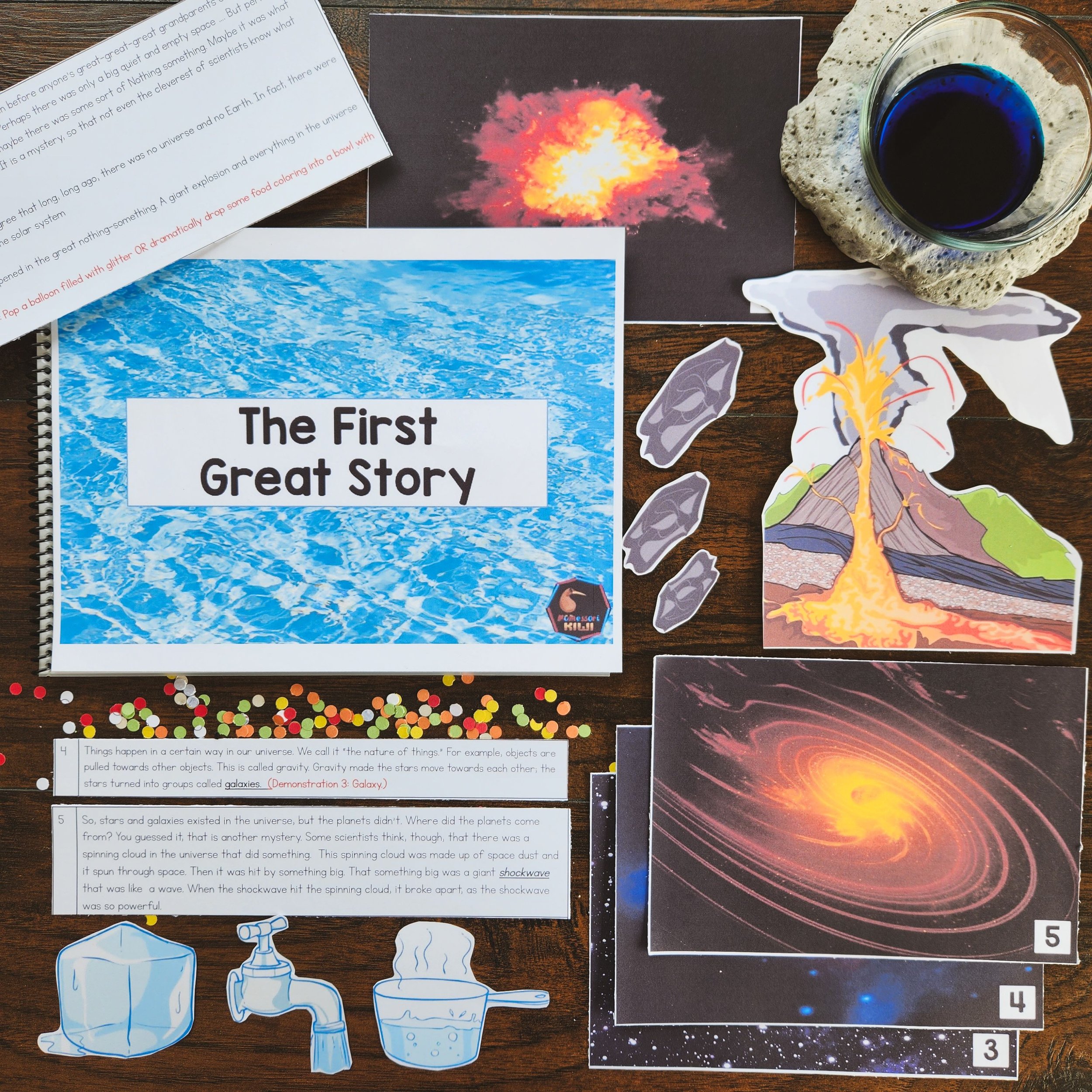
Montessori Cosmic Education connects the story of the universe, Earth, living things and human societies through research, experiments, timelines, maps and projects.
Practical life and creativity
Art, music, cooking, gardening, design, outdoor investigations, building, physical activity and personal interests.
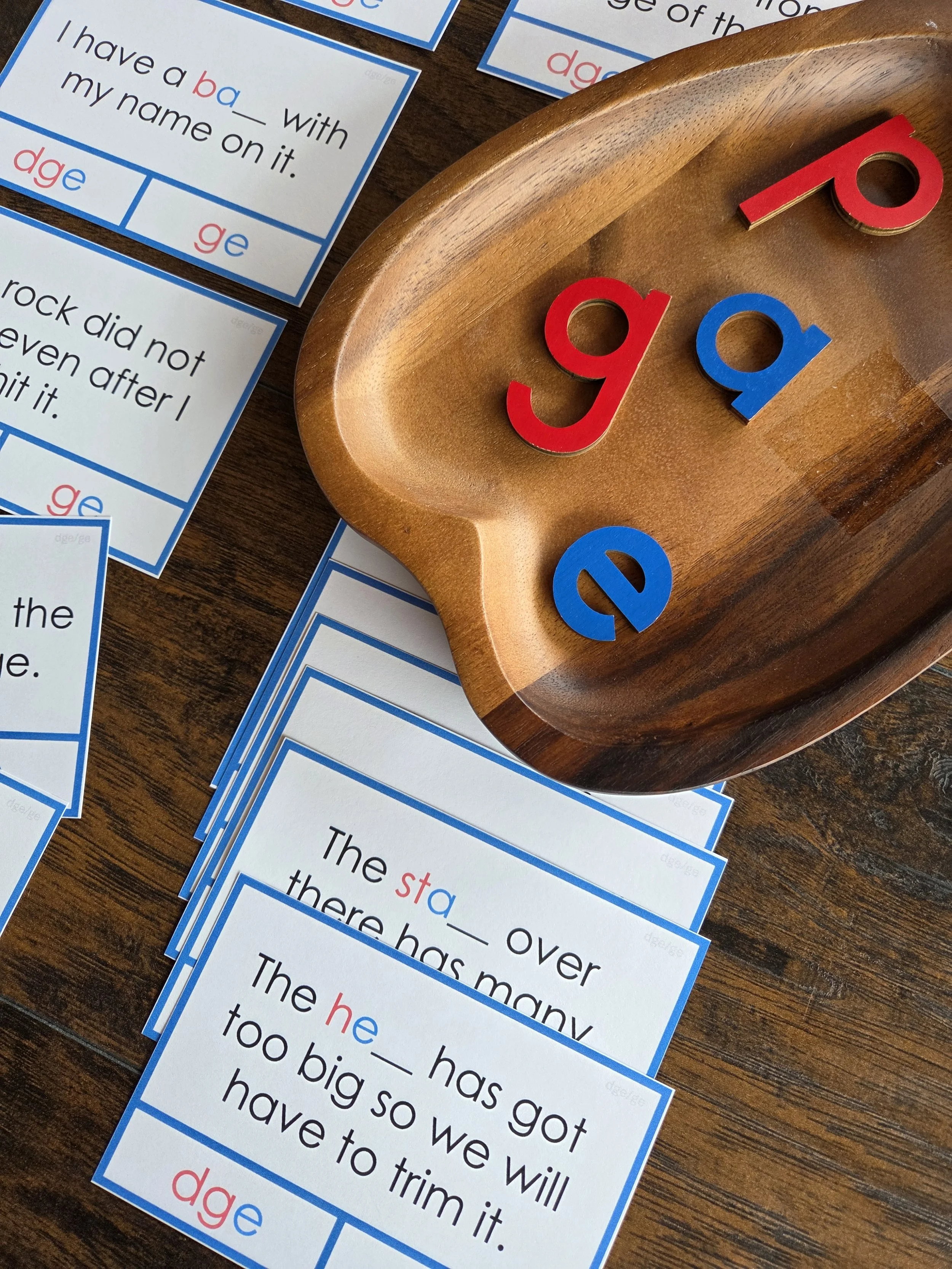
See what personalised learning looks like
Our programmes combine individual literacy and mathematics goals with practical Montessori investigations. This example shows a weekly learning overview.
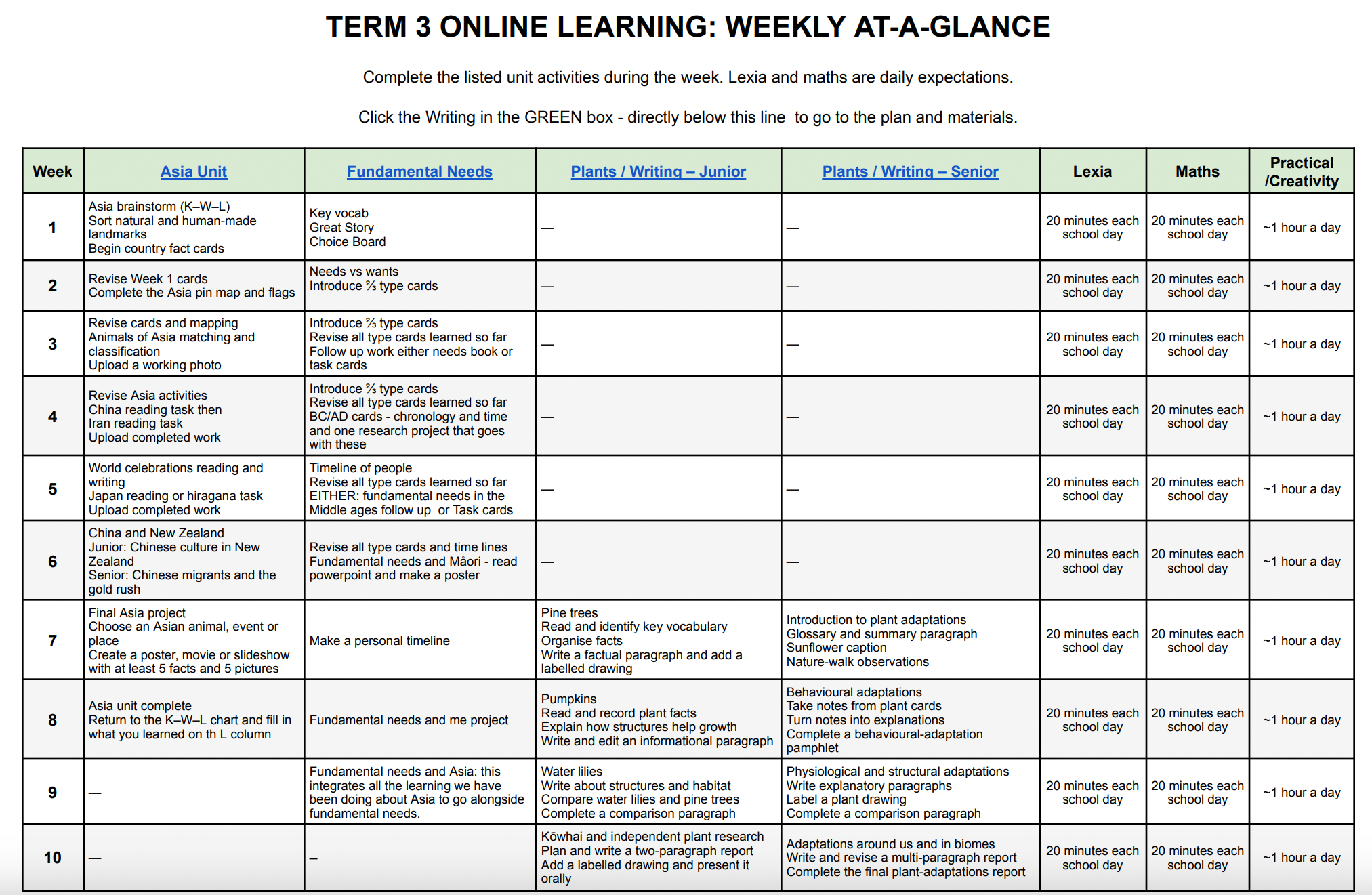
Select the image to view the full learning plan.
Montessori distance learning and homeschooling in NZ
Many families are attracted to homeschooling because of the freedom to learn at home, spend more time together and create a more individual learning experience.
Others are looking for an alternative to mainstream schooling, a different educational philosophy or a school that better reflects their family's approach to learning.
Porirua Montessori combines these interests by providing a registered school programme that children can complete from home.
Full-time enrolled students receive school-provided curriculum planning, teaching guidance and assessment. Parents support the daily learning rather than having to organise an independent home education programme.
Can my five-year-old enrol instead of homeschooling?
Yes. Eligible children can enrol in our Years 1–8 registered private school programme from primary school age. Families enjoy home-based Montessori learning while the school provides individual learning plans, resources, teacher guidance and assessment. Parents remain responsible for daily supervision and support.
How is Porirua Montessori different from Te Kura?
Te Kura is a state distance education school. Porirua Montessori is a private Montessori school with its own fees, enrolment criteria and educational approach.
Our programme emphasises personalised Montessori learning, hands-on education, practical projects, qualified teacher oversight and individual feedback.
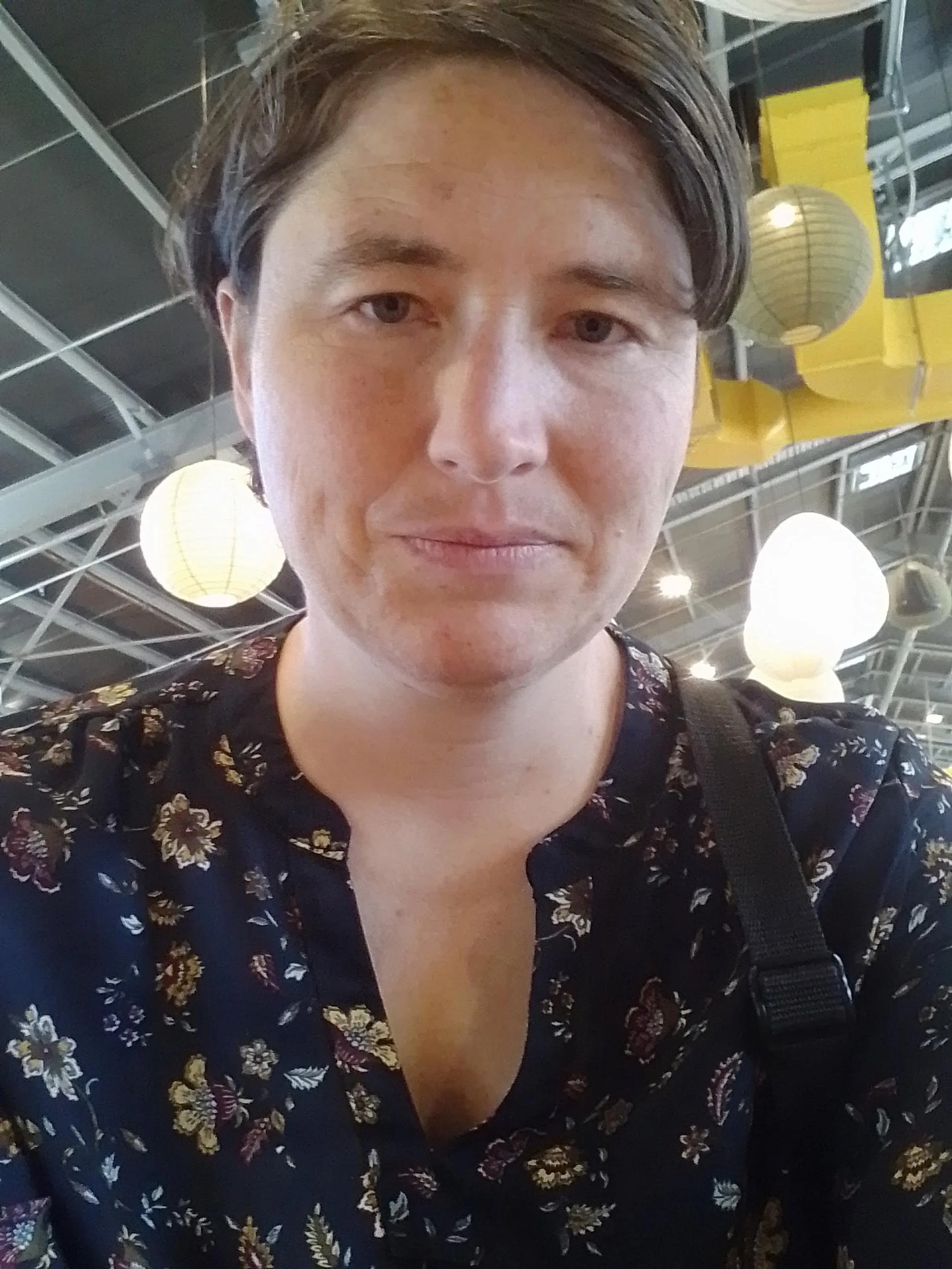
Meet Lisa Dei Gratia
Principal and founder
Lisa is a qualified Montessori and New Zealand registered teacher and founder of Porirua Montessori Primary School.
She has experience tutoring and mentoring trainee Montessori teachers and is passionate about making personalised Montessori education accessible to more children and families.
2027 distance learning school fees
NZ$925 per term
Plus a one-off NZ$300 enrolment fee.
Fees include school enrolment, individual learning planning, teacher oversight, assessment and programme resources as described in our enrolment information. Ask us about additional equipment or materials requirements.
Enquire About 2027 EnrolmentFrequently asked questions
Is this a registered New Zealand school?
Yes. Porirua Montessori is a registered New Zealand private school offering a Years 1–8 distance learning programme.
Does my child need a home education exemption?
No, not if your child is enrolled full-time as a student at Porirua Montessori. Independent home education has different legal requirements.
Can families interested in homeschooling enrol?
Yes. Families who want the flexibility and hands-on learning of education at home can enrol eligible children in our registered school programme.
Can children enrol from anywhere in NZ?
Eligible domestic students throughout New Zealand can enquire about enrolment.
How often can parents check in with the teacher?
Parents have a minimum of three opportunities per school term to check in with Lisa to discuss their child's learning and progress.
How often does my child receive feedback?
Every child receives personalised feedback on their learning each week through Google Classroom. Parents can communicate questions, concerns and achievements.
Will I need to teach my child myself?
The school provides educational planning, teacher guidance and assessment. A responsible adult provides daily supervision and practical support.
Does my child spend all day online?
No. Our programme emphasises low-screen Montessori learning through books, practical activities, learning materials and projects.
Is there a fixed daily timetable?
No single all-day online timetable is required. Families follow their child's individual learning programme and school expectations.
Is the programme available for Years 7 and 8?
Yes. Our distance learning programme covers Years 1–8.
Is Montessori a religious programme?
No. Montessori education is not tied to a particular religion.
A different way to do school.
The freedom of learning at home, with the guidance of a real school.
Whether you're exploring homeschooling from age five or looking for an alternative to traditional schooling, discover personalised Montessori distance learning for Years 1–8 throughout New Zealand.
Talk to Us About Enrolment